







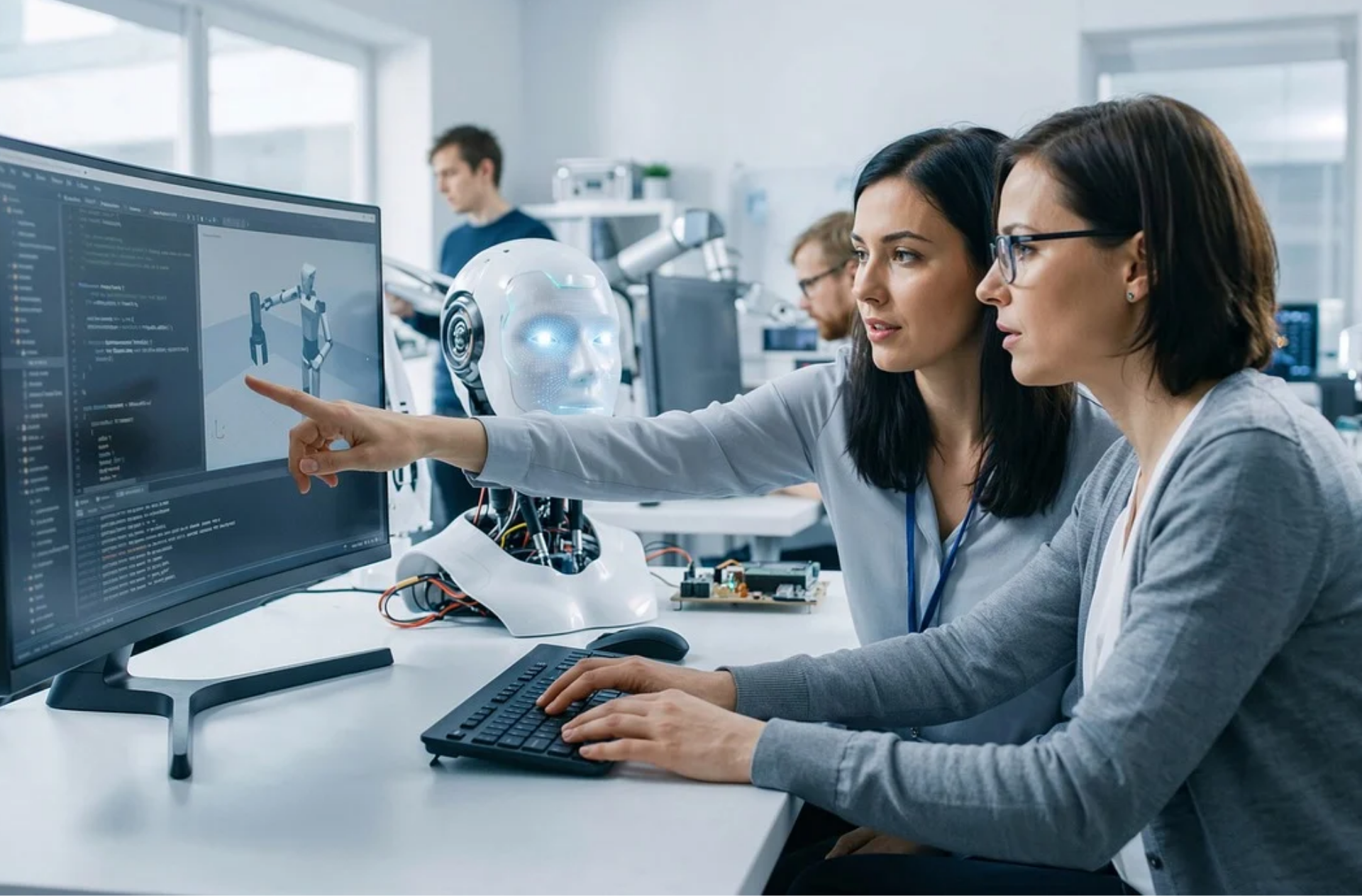


The modern workplace is changing rapidly. Employees no longer depend only on desks, phones, and filing cabinets to get their work done. Today, technology is helping businesses create smarter, more connected, and more productive workplaces.
A smart office combines digital tools, connected devices, automation, and efficient processes to make everyday work easier. Whether you operate a small start-up or a growing business, creating a smarter workplace can improve productivity while reducing unnecessary costs.
Start With Reliable Technology
A smart office begins with dependable technology. High-speed internet, modern computers, cloud-based software, and reliable communication systems provide the foundation employees need to work efficiently.
Businesses should regularly evaluate their technology and replace outdated equipment when it starts affecting productivity.
The goal is not to buy every new gadget available. Instead, choose technology that solves real workplace problems and provides measurable value.
Automate Routine Tasks
Automation can save employees valuable time by reducing repetitive administrative work.
Businesses can use software to automate tasks such as appointment scheduling, invoice generation, customer communication, data entry, and document management.
When routine tasks are automated, employees can spend more time focusing on creative thinking, customer service, problem-solving, and other activities that require human skills.
Embrace Cloud Technology
Cloud technology allows employees to securely access files, applications, and information from different locations.
This can be particularly useful for businesses with remote or hybrid teams. Instead of depending entirely on physical documents or a single office computer, employees can collaborate digitally.
Cloud-based systems can also simplify file sharing, backups, and team communication.
However, businesses should choose reputable services and implement strong security practices to protect sensitive information.
Create a Connected Workspace
A smart office can include connected devices such as smart lighting, temperature controls, meeting-room systems, security equipment, and energy-monitoring tools.
These technologies can improve comfort while helping businesses manage resources more efficiently.
For example, smart lighting systems can automatically adjust based on occupancy, while intelligent meeting-room systems can simplify scheduling and equipment management.
Improve Digital Communication
Effective communication is essential for every business. Teams can use messaging platforms, video conferencing, project-management software, and shared digital workspaces to stay connected.
Clear communication tools can reduce unnecessary meetings and help employees understand responsibilities and deadlines.
However, technology should support communication rather than overwhelm employees with constant notifications. Establishing clear communication guidelines can help teams stay focused.
Make Payments More Convenient
Financial processes are another area where technology can improve efficiency.
Digital payment solutions allow businesses to receive and send payments conveniently while reducing dependence on cash and paper-based processes.
Platforms such as Pesa Smart reflect the growing role of digital financial services in modern business operations. Integrating convenient payment options can help businesses improve customer experiences and streamline transactions.
Prioritize Cybersecurity
A smarter office must also be a secure office.
Businesses should use strong passwords, multi-factor authentication, updated software, secure networks, regular backups, and employee cybersecurity training.
Employees should also understand how to recognize phishing messages and other common online threats.
Technology creates opportunities, but protecting business information must remain a priority.
Train Your Team
Even the best technology will not improve productivity if employees do not know how to use it.
Provide training whenever new systems are introduced and encourage employees to share feedback. Sometimes a simple improvement suggested by an employee can have a significant impact on workplace efficiency.
Final Thoughts
Creating a smart office is not about filling the workplace with expensive devices. It is about using technology strategically to make work simpler, faster, safer, and more productive.
From cloud systems and automation to digital communication and convenient payments, modern tools can help every business operate more efficiently.
For Pesa Smart readers, the key lesson is simple: invest in technology that solves real problems, train your team to use it effectively, and continually look for smarter ways to work.
A smart office is ultimately not just about technology—it is about creating a workplace where people and technology work together to achieve better results.